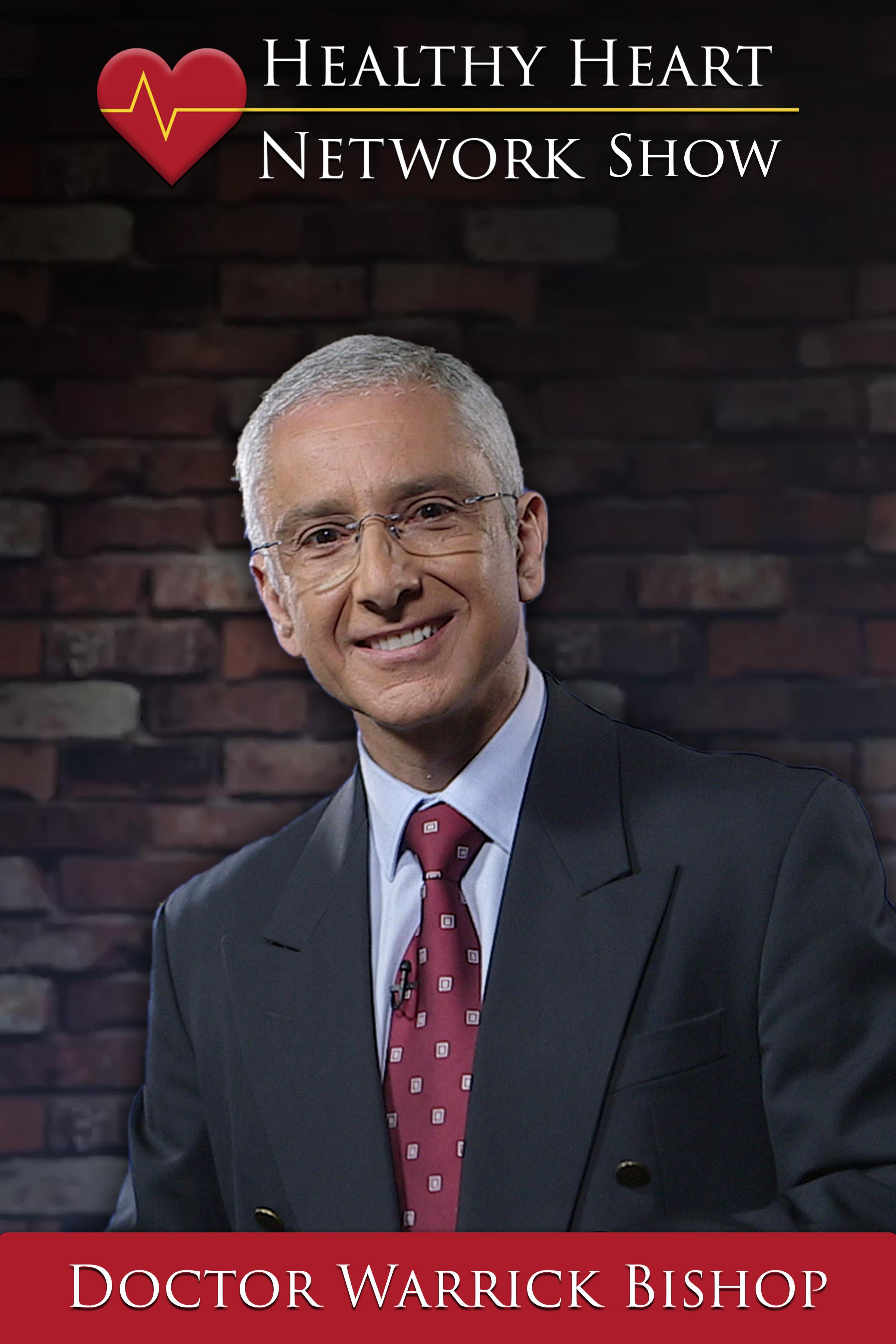



Welcome to my podcast. I am Doctor Warrick Bishop, and I want to help you to live as well as possible for as long as possible. I’m a practising cardiologist, best-selling author, keynote speaker, and the creator of The Healthy Heart Network. I have over 20 years as a specialist cardiologist and a private practice of over 10,000 patients.
Podcast Summary
Introduction
This episode features a cardiologist discussing his audiobook "Have You Planned Your Heart Attack," which explores modern approaches to cardiac risk assessment and prevention. The host shares a pivotal 2005 experience where a patient he had reassured with a normal treadmill test two years earlier suffered a cardiac arrest during a fun run, prompting him to reconsider how medical professionals can better predict and prevent heart attacks. The episode emphasizes how advances in technology now enable more sophisticated risk management compared to traditional assessment methods.
Key Takeaways:
-
A normal exercise treadmill test does not guarantee protection from future cardiac events, as demonstrated by the patient who collapsed despite normal results two years prior.
-
Traditional cardiac risk assessment has significant limitations that modern technology can now address through improved investigation and management protocols.
-
Approximately 55,000 Australians suffer heart attacks annually, equaling roughly one heart attack every 10 minutes in the population.
-
Early intervention with preventive measures like low-dose aspirin can be recommended based on individual risk factors such as elevated blood pressure.
-
Cardiac events often come as a surprise to patients who were previously reassured about their heart health, indicating a gap in predictive accuracy.
-
Modern cardiologists have access to technological advances that allow for better dealing with risk than was possible a decade ago.
-
Heart attacks involve narrowing or blockage of coronary arteries and may require interventions ranging from medication to stents, balloons, or coronary artery bypass grafting.
-
The goal of modern cardiac care should shift toward proactive planning and prevention rather than reactive treatment after cardiac events occur.