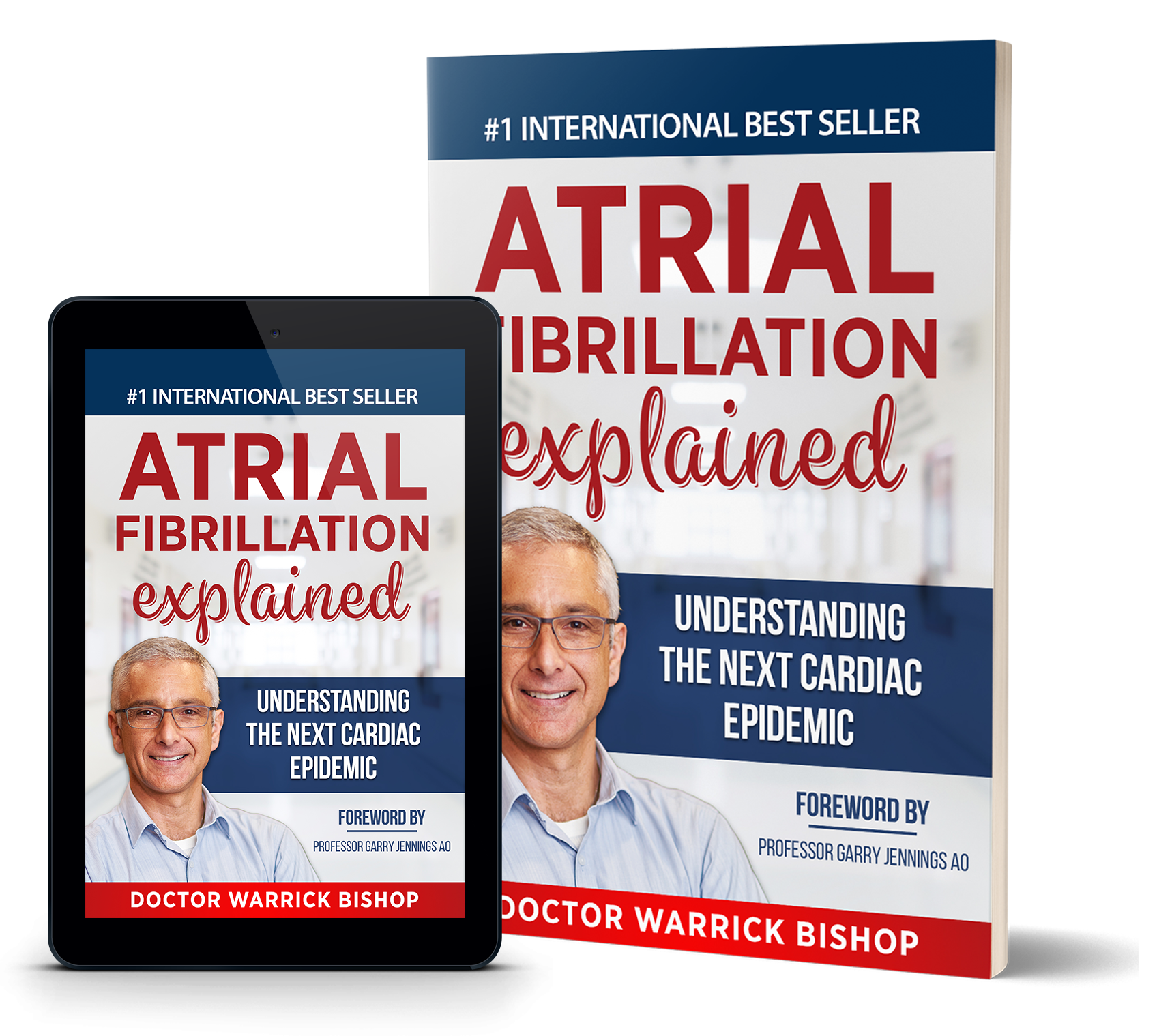



Welcome to my podcast. I am Doctor Warrick Bishop, and I want to help you to live as well as possible for as long as possible. I’m a practising cardiologist, best-selling author, keynote speaker, and the creator of The Healthy Heart Network. I have over 20 years as a specialist cardiologist and a private practice of over 10,000 patients.
Podcast Summary
Introduction: Dr. Warwick Bishop is a practicing cardiologist and author dedicated to improving patient care through education about heart health. In this episode, Dr. Bishop passionately advocates for patients to take personal responsibility for managing and documenting their medications, emphasizing how this practice can significantly improve their medical care and outcomes.
Key Takeaways:
-
Patients often lack basic knowledge about their own medications, unable to name them or describe them accurately beyond vague physical descriptions.
-
Medical records across different healthcare providers—GPs, specialists, and pharmacies—are not automatically synchronized and may contain conflicting or outdated information.
-
Patients bear primary responsibility for tracking their own medications, not their doctors, GPs, or pharmacies.
-
Carrying a written list of current medications in your wallet alongside identification documents ensures critical medication information is accessible in emergencies.
-
Medications tell an important clinical story about a patient's medical history and conditions, helping healthcare providers deliver appropriate care.
-
Blood-thinning medications like novel oral anticoagulants (Xarelto, Pradaxa, Eliquis) are particularly critical to document, especially for patients with atrial fibrillation who may experience emergencies.
-
In emergency situations where a patient is unconscious, knowing their blood-thinning medication status can be life-saving information for first responders and medical staff.
-
Keeping medication lists current with help from family, friends, pharmacists, GPs, and specialists ensures the most comprehensive and accurate documentation.
-
Maintaining accurate medication records provides the best possible foundation for quality healthcare and supports all medical professionals involved in a patient's care.